In the span of just six months, OpenAI went from a $300 billion private valuation to an $852 billion post-money valuation — and now it is preparing to go public in what could be one of the most consequential stock market debuts in financial history. OpenAI has disclosed a $122 billion funding round at an $852 billion post-money valuation, says it is generating $2 billion in revenue per month, and has revised the Microsoft partnership that used to be one of the biggest structural questions around a future listing. The company is now actively working with underwriters on IPO documentation, targeting a listing as early as September 2026 at a valuation above $1 trillion.
The $122 Billion Round: Silicon Valley's Largest Private Financing Ever
In March 2026, OpenAI closed the largest private funding round in Silicon Valley history, raising $122 billion at a valuation of $852 billion. Major investors in that round included SoftBank, Amazon, and Nvidia. The round totaled $122 billion of committed capital, up from the $110 billion figure the company announced in February, with SoftBank co-leading alongside Andreessen Horowitz and D.E. Shaw Ventures. The velocity of valuation growth — from $300 billion to $852 billion in a matter of months — reflects both the explosive growth of OpenAI's business and the intensity of investor appetite for AI infrastructure companies. To put the $1 trillion target in perspective, that would make OpenAI's IPO valuation comparable to the current market capitalisation of companies like Tesla.
The Revenue Story: $2 Billion Per Month, 900 Million Weekly Users
The business metrics underpinning the valuation are genuinely extraordinary by any historical benchmark for a pre-IPO company. OpenAI said it reached $1 billion of revenue within a year of launching ChatGPT, reached $1 billion per quarter by the end of 2024, and is now generating $2 billion per month. The customer scale is just as important as the valuation: ChatGPT has more than 900 million weekly active users and over 50 million subscribers, while its API processes more than 15 billion tokens per minute.
CFO Sarah Friar confirmed in a January 2026 blog post that the company's annualised revenue rate exited 2025 above $20 billion, against estimated full-year actual revenue of approximately $13.1 billion, reflecting rapid growth concentrated in the second half of the year. OpenAI has communicated to prospective investors an expectation of generating $280 billion in annual revenue by the year 2030 — from both enterprise and commercial offerings. Whether those projections are achievable will ultimately be judged by public market investors who have access to audited financials for the first time. For the most current regulatory filings and prospectus documents once submitted, the SEC's EDGAR filing system will host OpenAI's complete S-1 registration statement when it becomes publicly available.
The Musk Legal Overhang — Cleared Just in Time
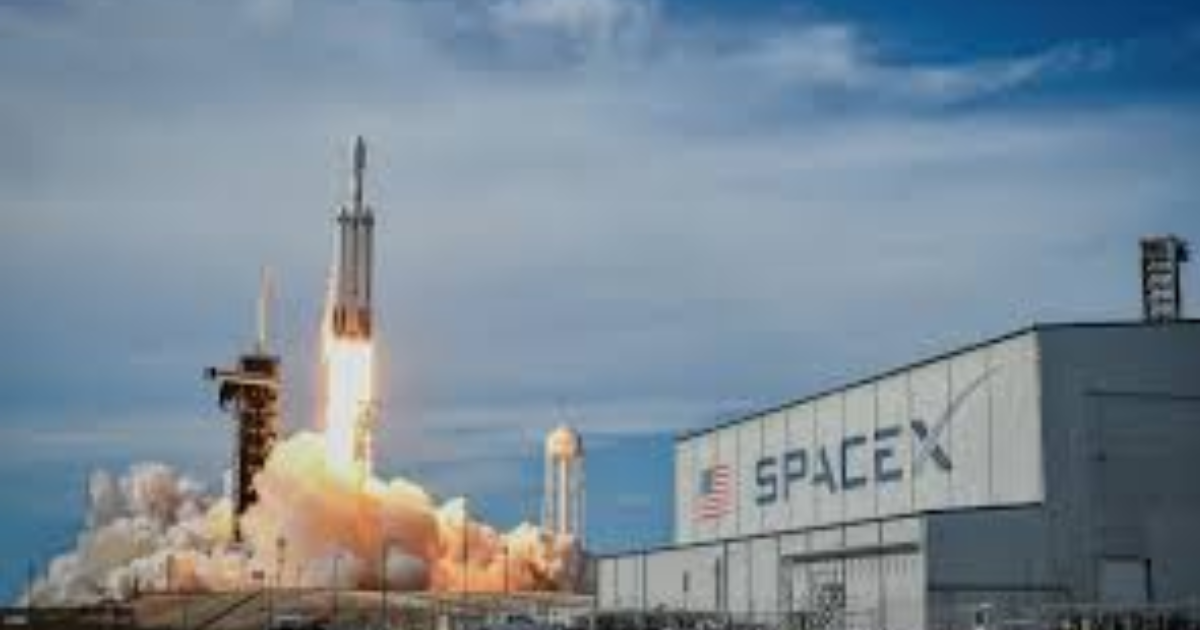
Timing matters in IPOs, and OpenAI's acceleration into the public market window is no accident. The biggest pre-listing uncertainty was removed when CEO Sam Altman prevailed in his legal dispute with Elon Musk, which sought $134 billion in damages and the structural reversal of OpenAI's for-profit conversion. A federal jury dismissed all of Musk's claims in under two hours on May 18, 2026, clearing the single most credible legal threat to OpenAI's corporate structure and governance narrative before the S-1 was filed. With Anthropic's October listing and SpaceX's June listing converging, AI companies are accelerating their listing moves in unison — and OpenAI's legal victory removed the last major internal obstacle to joining that race.
The Loss Problem: $14 Billion Expected Gone in 2026
The bull case on OpenAI's revenue is compelling. The bear case is equally stark: the company is burning cash at a rate that has no modern precedent for a pre-IPO technology business. Despite unprecedented loss-making — OpenAI expects to lose $14 billion in 2026 alone — the company's new war chest makes it more likely they'll conduct an IPO this year. The losses stem directly from the cost of training and running frontier AI models at scale. Compute costs — primarily Nvidia GPU clusters — are the dominant expense, and they scale with model capability. Every new GPT generation requires exponentially more compute than the last. CFO Sarah Friar has expressed reservations about a massive $600 billion spending plan over the next five years, reflecting a genuine internal tension between the CEO's ambition to scale aggressively and the CFO's fiduciary responsibility to manage the path to profitability.
Five Questions Public Investors Cannot Yet Answer
The honest assessment of OpenAI's IPO readiness is that the narrative is exceptionally compelling but the data is still incomplete. The better investor question is not "when can investors buy OpenAI stock?" — it is whether the business can grow into a valuation that private investors have already marked like a mega-cap platform. The answer depends on five things public investors still cannot see: audited revenue, gross margin after compute costs, contract obligations, governance rights, and the amount of stock that insiders and late private investors may sell when liquidity finally opens.
Bloomberg reports that OpenAI's influence in the secondary market is waning, with one firm stating that after contacting hundreds of institutions, "not a single one was willing to buy OpenAI" at current secondary prices — a sobering data point that suggests the retail enthusiasm for the OpenAI story may not be fully matched by institutional conviction at the implied valuation. The S-1, when it arrives, will be the document that answers those five questions — and the gap between the narrative OpenAI has built and the financial reality it discloses will determine whether this mammoth market debut is remembered as the defining listing of the AI era, or as a cautionary tale about valuing hope at trillion-dollar multiples.